Choosing the Best Wood Burning Stoves for Your Home
- Nicholas Rowe
- Dec 19, 2025
- 4 min read

When it comes to heating your home, wood burning stoves offer a unique blend of efficiency, aesthetics, and warmth. They not only provide a reliable source of heat but also create a cozy atmosphere that many homeowners cherish. However, with a plethora of options available, selecting the right wood burning stove can be overwhelming. This guide will help you navigate through the choices, ensuring you find the perfect fit for your home.
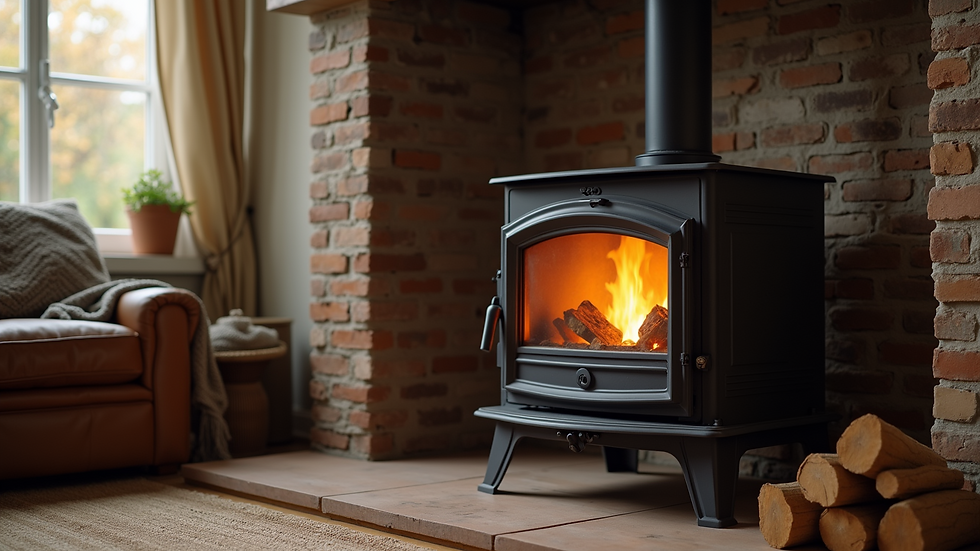
Understanding Wood Burning Stoves
Before diving into the selection process, it’s essential to understand what wood burning stoves are and how they function. These stoves are designed to burn wood logs, producing heat through combustion. Unlike traditional fireplaces, wood stoves are more efficient and can heat a room or even an entire home effectively.
Types of Wood Burning Stoves
There are several types of wood burning stoves available, each with its unique features and benefits:
Traditional Wood Stoves
These are the classic designs that have been used for centuries. They are typically made of cast iron or steel and are known for their durability and heat retention.
Catalytic Wood Stoves
These stoves use a catalytic combustor to increase efficiency and reduce emissions. They are ideal for those looking to minimize their environmental impact.
Non-Catalytic Wood Stoves
These stoves rely on secondary combustion to burn off gases and particulates. They are easier to maintain and often more affordable than catalytic models.
Pellet Stoves
While not traditional wood stoves, pellet stoves burn compressed wood pellets. They offer convenience and are often equipped with automatic feeders.
Freestanding vs. Insert Stoves
Freestanding stoves can be placed anywhere in a room, while insert stoves are designed to fit into an existing fireplace, providing a more integrated look.
Factors to Consider When Choosing a Wood Burning Stove
Selecting the right wood burning stove involves several considerations. Here are the key factors to keep in mind:
1. Size and Heating Capacity
The size of the stove should correspond to the space you intend to heat. A stove that is too small will struggle to warm the area, while one that is too large may lead to overheating.
Measure Your Space: Calculate the square footage of the area you want to heat.
BTU Rating: Look for the British Thermal Unit (BTU) rating, which indicates the stove's heating capacity. A general rule of thumb is that you need about 20 BTUs per square foot.
2. Efficiency Ratings
Efficiency is crucial when it comes to wood burning stoves. Higher efficiency means more heat from less wood, which is better for the environment and your wallet.
EPA Certification: Look for stoves that are EPA-certified, as they meet strict emissions standards.
Efficiency Percentage: Aim for a stove with an efficiency rating of at least 75%.
3. Material and Construction
The material of the stove affects its durability and heat retention.
Cast Iron: Known for excellent heat retention, cast iron stoves can radiate warmth even after the fire has died down.
Steel: Steel stoves heat up quickly and are generally lighter and more affordable.
4. Design and Aesthetics
A wood burning stove can be a focal point in your home. Consider the design that best fits your decor.
Traditional vs. Modern: Choose between classic designs that evoke a rustic feel or sleek, modern styles that complement contemporary interiors.
Color and Finish: Stoves come in various colors and finishes, from matte black to glossy enamel.
5. Installation Requirements
Proper installation is crucial for safety and efficiency.
Chimney Requirements: Ensure your home can accommodate the necessary chimney or flue system.
Clearance Space: Check local building codes for clearance requirements around the stove.
Popular Wood Burning Stove Brands
Several brands are known for their quality and reliability in the wood burning stove market. Here are a few to consider:
1. Jotul
Jotul is a Norwegian brand known for its high-quality cast iron stoves. Their products combine traditional craftsmanship with modern efficiency.
2. Vermont Castings
This brand offers a range of wood stoves that are both functional and aesthetically pleasing. They are known for their durability and classic designs.
3. Harman
Harman specializes in pellet stoves but also offers a selection of wood burning stoves. Their products are known for their advanced technology and ease of use.
4. Lopi
Lopi stoves are designed for high efficiency and low emissions. They offer a variety of styles, including both freestanding and insert models.
5. Pacific Energy
This brand focuses on efficiency and performance. Their stoves are designed to provide maximum heat output with minimal wood consumption.
Maintenance Tips for Wood Burning Stoves
To ensure your wood burning stove operates efficiently and safely, regular maintenance is essential. Here are some tips:
1. Regular Cleaning
Ash Removal: Remove ashes regularly to maintain airflow and efficiency.
Flue Cleaning: Have your chimney cleaned at least once a year to prevent creosote buildup.
2. Check Seals and Gaskets
Inspect the door seals and gaskets for wear and tear. Replacing worn gaskets can improve efficiency and prevent smoke leaks.
3. Use Quality Wood
Burning seasoned hardwoods, such as oak or maple, produces less smoke and more heat compared to softwoods.
4. Monitor Airflow
Ensure that the air vents are functioning correctly. Proper airflow is crucial for efficient combustion.
Conclusion
Choosing the best wood burning stove for your home involves understanding your heating needs, considering efficiency, and selecting a design that complements your space. By taking the time to research and evaluate your options, you can find a stove that not only keeps your home warm but also enhances its aesthetic appeal.
As you embark on this journey, remember to prioritize safety and maintenance to enjoy the benefits of your wood burning stove for years to come. Whether you opt for a traditional model or a modern design, the right stove will provide comfort and warmth, making your home a cozy retreat during the colder months.


Comments